
Why Instant Callbacks Increase Conversion Rates
Discover why instant callbacks boost conversions.
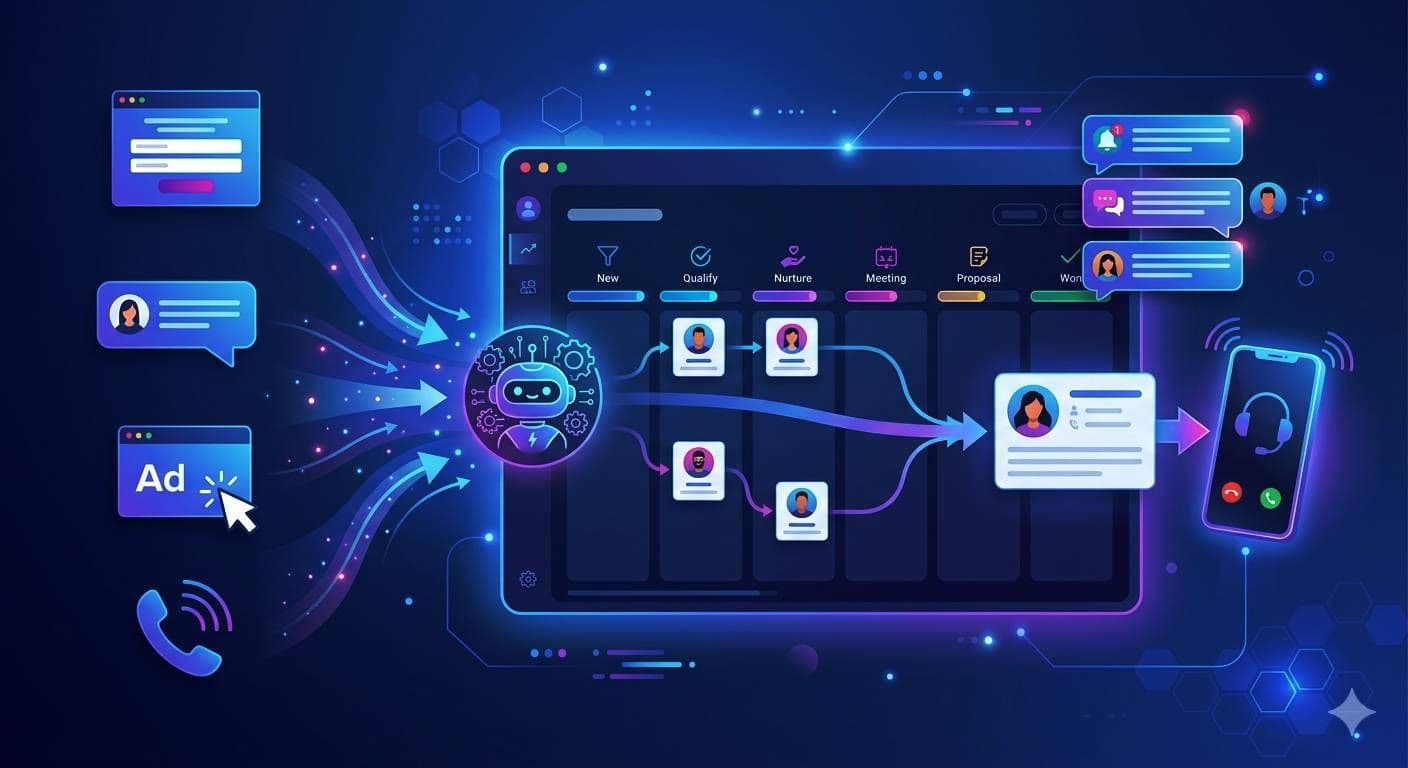
A homeowner lands on a roofing company’s website at 8:12 p.m. after noticing a fresh leak spreading across the ceiling.
They are not casually browsing.
They are anxious, motivated, and ready to talk to whoever can give them clarity first.
They fill out the quote form, attach two photos, and hit submit.
At that exact moment, the highest-converting response is not an email confirmation.
It is not a sales rep task in a CRM.
It is not a follow-up scheduled for tomorrow morning.
It is a phone call right now.
That is the core reason Why Instant Callbacks Increase Conversion Rates is such an important topic for any business that depends on inbound leads. When someone raises their hand, the callback window is not just short. It is emotionally charged. A real-time call captures urgency, context, and attention while all three are still available.
Most companies treat speed as a workflow problem.
In reality, with inbound leads, speed is a conversation problem.
If the conversation starts immediately, conversion odds rise.
If the conversation gets delayed, intent starts leaking out of the funnel.
The real problem: forms create interest, but calls create commitment
A form submission is a signal.
A phone conversation is a decision event.
That distinction matters.
Many businesses assume that any fast response counts equally. It does not. An automated email may reassure the lead that the request was received, but it rarely moves the sale forward. A text message can help, but it still puts the burden on the buyer to continue the interaction.
A callback is different because it turns passive interest into active engagement.
When a lead answers the phone within seconds or minutes of submitting a form, several high-value things happen at once:
- the business confirms the inquiry is real
- the lead explains what they actually need
- urgency gets surfaced immediately
- objections appear earlier
- next steps can be scheduled on the spot
This is why an instant callback often outperforms every other first-response channel.
It removes friction at the exact moment the lead is most willing to talk.
If you want to understand the broader mechanics behind why inbound leads go cold, the short version is simple: interest fades fastest when no live conversation begins.
Why Instant Callbacks Increase Conversion Rates more than email or SMS
Email and SMS are useful support channels.
They are not usually the highest-converting first move for high-intent leads.
The reason is not just speed.
It is bandwidth.
A live phone call carries more information than a text thread or inbox reply.
In less than two minutes, a callback can uncover:
- whether the lead is serious
- what triggered the inquiry
- how soon they want help
- whether the budget is realistic
- who else is involved in the decision
That same exchange could take hours across email.
Or never happen at all.
An instant callback also meets the lead in their peak intent state. Right after submitting a form, people still remember why they reached out. Their problem feels vivid. Their motivation is accessible. Their questions are top of mind.
That mental state does not last long.
Once they go back to work, start dinner, or get distracted, the lead becomes harder to reach and less emotionally connected to the purchase.
A sharp way to think about this is:
Leads do not convert when they are contacted. They convert when momentum is preserved.
Instant callbacks preserve momentum better than any other response type.
The conversion mechanism most teams miss
The value of an instant callback is not just that it is fast.
It is that it compresses the sales journey.
A delayed response forces the lead through multiple micro-decisions:
- notice the follow-up
- decide to reply
- remember the original problem
- re-engage mentally
- choose a meeting time later
Every step lowers completion.
An instant callback collapses those steps into one live interaction.
Instead of asking the lead to do more work, the business does the work for them. The rep or AI caller asks the questions, qualifies the opportunity, and offers a next step while attention is still locked in.
That compression effect is a major reason teams focused on how response time impacts conversion rates often discover that not all fast responses produce the same result. Speed matters, but channel choice determines how much of that speed turns into revenue.
Phone calls win because they create immediacy and direction.
In other words, speed is not operational. It is positional.
The company that gets into a live conversation first gains the strongest position in the buyer’s mind.
What happens when the callback does not happen immediately
When a callback gets delayed, the lead experience changes in subtle but costly ways.
First, the emotional temperature drops.
The issue that felt urgent at 8:12 p.m. feels less urgent at 9:30 p.m. and much less urgent the next morning.
Second, the context decays.
The lead may not remember what page they were on, what service they selected, or what exact question they had.
Third, the interaction becomes easier to postpone.
A delayed email can be ignored.
A missed text can sit unread.
A call tomorrow can be answered later.
This is where conversions quietly disappear.
Not in dramatic losses, but in small moments of disengagement.
A business might still technically respond within a decent time frame and yet lose the sale because the first response did not create a live conversation.
This is especially true for high-intent channels such as demo requests, quote forms, and paid ad leads. In those cases, the lead is not asking for content. They are asking for contact.
This is also why the 5-minute rule for inbound leads matters so much in practice. The closer the first call is to the hand-raise, the more likely the business is to catch the buyer before intent diffuses.
The business impact of missing the instant-call window
When companies fail to trigger immediate callbacks, the damage spreads beyond one lost lead.
It affects the entire revenue system.
Lower contact rates
Leads become harder to reach even after a short delay. A callback placed immediately has a higher chance of being answered because the inquiry is still fresh.
Fewer qualified conversations
If the first interaction happens over email instead of phone, qualification gets delayed. That means sales teams spend more time chasing weak opportunities and less time advancing strong ones.
Lower appointment booking rates
Live calls make it easier to lock in a meeting during the moment of interest. Once the lead leaves that moment, scheduling becomes another task they have to remember and complete.
More wasted marketing spend
Paid traffic is expensive. If a lead submits a form from Google Ads or a landing page and no immediate call happens, some of that acquisition spend is effectively burned before sales even starts.
Less predictable pipeline
Instant callbacks create faster feedback loops. Teams learn quickly which campaigns generate qualified buyers, which offers create urgency, and which leads are worth routing to reps. Without that live first touch, pipeline quality gets harder to read.
Real-world behavior: buyers want resolution, not acknowledgment
This is the part many teams underestimate.
Most inbound leads are not looking for confirmation that their form was received.
They are looking for relief, direction, or certainty.
A parent searching for a tutoring service wants to know availability.
A property manager looking for emergency repairs wants a timeline.
A software buyer requesting a demo wants to know if the platform fits their use case.
An instant callback addresses that need directly.
It says, in effect: we are here, we understand the request, and we can move this forward now.
That is a stronger trust signal than any autoresponder.
Fast calls also feel disproportionately premium. Even when the underlying service is similar, the business that calls right away appears more organized, more attentive, and more capable of handling urgency.
That perception can shape the buying decision before pricing is ever discussed.
How to make instant callbacks work without overwhelming the team
The biggest objection to real-time calls is operational.
Sales teams are busy.
Leads arrive after hours.
Not every rep can drop everything to call within seconds.
That is exactly why instant callbacks need to be designed as a system, not a heroic manual habit.
Here are the practical pieces that matter most.
Trigger the call from the form submission
The callback should begin automatically the moment a high-intent form is completed. No manual review. No waiting for someone to notice a notification.
Prioritize the highest-intent forms
Not every lead source needs the same treatment. Demo requests, quote requests, consultation requests, and high-value paid leads are ideal candidates for real-time calling.
Use a short qualification script
The first call does not need to close the deal. It needs to establish contact, confirm fit, gather key details, and move to the next step.
Offer immediate scheduling
If the lead is qualified, the caller should be able to book the appointment during the same interaction. This prevents momentum loss between first contact and calendar action.
Follow up fast if the first call is missed
If the lead does not answer, the system should trigger a second attempt and a supporting SMS right away, while intent is still alive.
How automation and AI solve the instant-callback gap
This is where modern lead response systems become a real competitive advantage.
AI-powered callback systems can respond in seconds, not because they replace sales strategy, but because they eliminate the dead space between form fill and first conversation.
A well-designed system can:
- call new leads immediately after submission
- ask qualifying questions naturally
- capture urgency and intent
- route hot prospects to the right rep
- book meetings automatically
- trigger follow-ups if the first call is missed
That matters because the core problem is not awareness.
It is timing plus channel.
Businesses do not lose these leads because no one wanted to follow up.
They lose them because the highest-converting response, a real-time call, did not happen when the buyer was most reachable.
Automation fixes that exact failure point.
It turns callback speed from an aspiration into infrastructure.
Key takeaways
- Instant callbacks convert better because they create live engagement during peak intent.
- A phone call moves the sale forward faster than email or SMS alone.
- The real advantage is not just speed. It is the ability to preserve momentum.
- Delayed callbacks cause emotional urgency and context to fade.
- Real-time calling works best when triggered automatically from high-intent inbound forms.
- AI and automation make instant callbacks scalable, consistent, and available outside rep working hours.
FAQ
Are instant callbacks better than instant emails?
For high-intent inbound leads, usually yes. An email acknowledges the inquiry, but a callback creates a conversation. Conversations are where qualification, objection handling, and appointment booking actually happen.
Do instant callbacks work for B2B leads?
Yes, especially for demo requests, pricing inquiries, and consultation forms. Even in B2B, the first live interaction often determines whether momentum continues or stalls.
What if the lead does not answer the instant callback?
You should still attempt the call immediately, then follow with a quick SMS and another call attempt. The first few minutes after form submission are still the best window to re-engage the lead.
Conclusion
The answer to Why Instant Callbacks Increase Conversion Rates is not simply that they are fast.
It is that they create the highest-value kind of first response: a live conversation while buyer intent is still active.
That is what makes real-time calls so effective.
They reduce friction, preserve urgency, surface buying context, and make it easier to book the next step before attention drifts.
For businesses that depend on inbound leads, instant callbacks are not just a nice follow-up tactic.
They are often the most direct path from form submission to revenue.
And in a market where buyers expect immediate engagement, the companies that call now will keep converting leads that everyone else only manages to acknowledge.
Next step
Want to see where FusionSync fits?
Use the links below to explore where the system works, try a live demo, or talk with us about your current lead flow.
Where it works
View all use cases